Scrapping a Car in New Zealand: The Complete 2026 Guide
By the Car Wreckers Rotorua team · Published 15 October 2026 · About 14 minutes to read
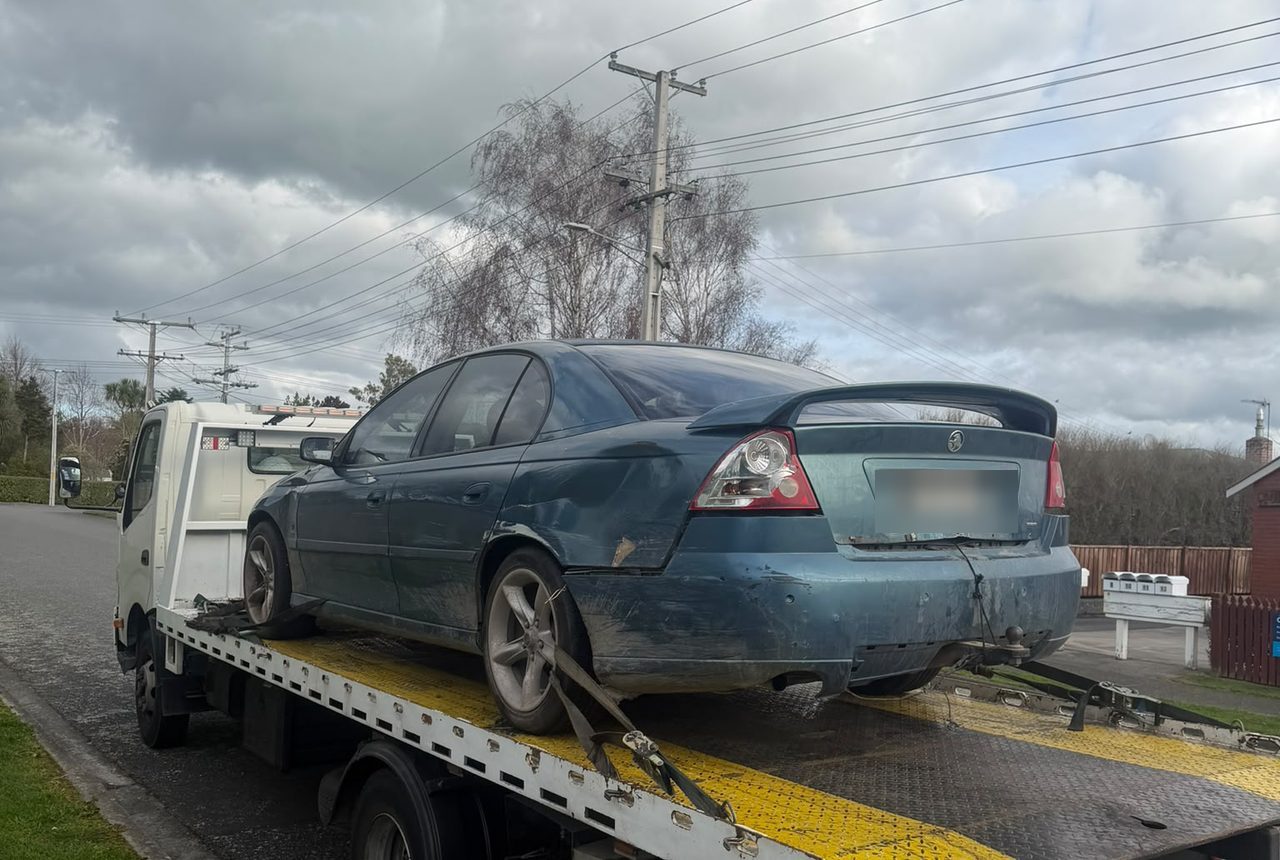
Every year, New Zealanders take hundreds of thousands of vehicles off the road for good. Some are crashed, some fail one WoF too many, and some simply sit in the paddock until the tyres go flat. Yet most people only scrap a car once or twice in their lives, so the process can feel murky: Who cancels the rego? Do you need a WoF? What happens to the oil, the battery and the airbags? Is the person on Facebook offering “free removal” even legit?
This guide answers all of it. It's written by a working Bay of Plenty wrecking team, organised so you can jump straight to the part you need, and kept up to date for 2026. Bookmark it, share it, or link to it from your own site. It's free to use as a reference (see how to cite this guide).
Key takeaways
- You don't need a WoF or current rego to scrap a car. It leaves on a tow truck.
- When you sell, notify NZTA straight away and keep a dated receipt. That's your legal proof you're no longer the owner.
- Once the registration is cancelled you can usually claim back unused licence fees.
- Check for finance on the PPSR before you sell. A car with money owing isn't fully yours to scrap.
- Roughly three-quarters or more of a car's weight can be recovered and recycled when it's done properly.
- Rotorua's geothermal air is hard on copper and electrical contacts, a local factor in when cars reach end of life.
1. Repair, sell or scrap? How to decide
The single most useful question is simple: would the repair cost more than the car is worth once it's fixed? If so, the car is what insurers call “uneconomic to repair”, and scrapping or selling to a wrecker is almost always the better financial move. A few other signals help too:
| Situation | Best option | Why |
|---|---|---|
| Runs well, passes WoF, clean history | Private sale or trade-in | The car's value as a working vehicle beats its parts and metal value. |
| Minor fault, repair under ~25% of value | Repair, then keep or sell | A modest fix restores most of the value. |
| Failed WoF on rust, brakes or suspension with a big quote | Sell to a wrecker | Structural rust in particular is costly and often not worth repairing on older cars. |
| Blown engine, gearbox or head gasket on an older car | Sell to a wrecker | Major mechanical work typically exceeds the car's market value. |
| Written off by insurer | Wrecker (check insurer terms first) | Insurers may already own the salvage. Confirm before selling. |
| Unregistered for years, sitting on a property | Scrap | Getting a long-cancelled car back on the road can mean costly recertification. |
Not sure where your car sits? Our article on scrap car vs private sale walks through the maths with real examples.
2. The legal side: ownership, registration and refunds
New Zealand's vehicle rules are administered by Waka Kotahi NZ Transport Agency (NZTA). Scrapping a car touches four areas of the law. Get these right and you'll never receive a surprise speeding ticket or toll bill for a car you no longer own.
Change of ownership
When you sell or give away a vehicle, including to a wrecker, the seller must tell NZTA immediately. You can do this online in a few minutes using the plate number. Until you do, NZTA's records still show you as the registered person, which means you can be held responsible for fines, tolls and offences involving the vehicle. Keep a receipt that shows the date and time of sale, the plate, and the buyer's name and address. See NZTA's guidance on buying and selling a vehicle.
Cancelling the registration
A vehicle that's being dismantled and recycled has its registration cancelled (sometimes called “deregistering”). When you sell to a licensed wrecker, the wrecker becomes the owner and handles this step. If you're scrapping a car yourself, you'll need to arrange it. Bear in mind that bringing a cancelled vehicle back onto the register generally involves re-inspection and certification, so cancellation should be treated as permanent. NZTA explains the details on its cancelling your vehicle registration page.
Licence (rego) refunds
If your licence still has time left when the registration is cancelled, you can usually apply to NZTA for a refund of the unused whole months. Many people forget this and leave money on the table. On a car with most of a year's rego remaining, it can be worth claiming. Details are on NZTA's licensing and rego pages.
Finance and security interests
If a car was bought on finance, the lender has probably registered a security interest against it on the Personal Property Securities Register (PPSR). A car with money owing isn't entirely yours to dispose of. Pay off the loan or get the lender's written agreement first. Reputable wreckers check the PPSR as a matter of course.
WoF and rego aren't required to scrap
A Warrant of Fitness and a current licence are required to drive on the road, not to sell. Because a scrap car is towed, an expired WoF or lapsed rego is no barrier. We cover this in depth in selling a car without a WoF or rego.
3. The 10-step scrapping checklist
Print this, screenshot it, or keep the tab open. It works for any wrecker anywhere in New Zealand.
- Find your details. Note the plate, make, model, year, odometer reading and any known faults.
- Check for finance. Make sure nothing is owed on the car, and clear it if there is.
- Confirm your right to sell. You need to be the owner or have legal authority, such as an executor for a deceased estate.
- Get two or three quotes. Give every buyer the same honest description so the quotes are comparable.
- Check the buyer is legitimate. Look for a real business name, physical contact details and a clear payment method (see red flags).
- Clear out personal items. Check the glovebox, boot, under the seats and the spare-wheel well. Remove toll tags, garage remotes and parking permits.
- Wipe your data. Unpair your phone, clear saved addresses from the navigation, and sign out of any connected-car apps.
- Leave the car complete. Stripping parts first usually lowers the offer by more than the parts are worth.
- Get paid and get a receipt. Take payment by bank transfer or cash, along with a receipt showing date, time, plate and buyer details.
- Notify NZTA and claim refunds. Record the sale online, then claim any unused rego and cancel your insurance.
4. What actually happens to your car
A modern car is one of the most recycled consumer products there is. Steel and iron make up the largest part of a typical car's weight, and metals are endlessly recyclable. Here's the journey a car takes through a professional wrecking yard:
- Intake and paperwork. The vehicle is logged, ownership is checked and the registration is cancelled.
- Depollution. Fuel, engine oil, transmission fluid, coolant, brake fluid and air-conditioning refrigerant are drained or recovered. The battery is removed, and airbags and seatbelt pretensioners are made safe.
- Parts harvesting. Working engines, gearboxes, alternators, panels, lights, wheels and interior parts are removed, tested and sold for reuse. This is often the greenest outcome, because a reused part needs no new manufacturing.
- Baling and shredding. The stripped shell is flattened and sent to a shredder that breaks it into fist-sized pieces in minutes.
- Separation. Magnets pull out the steel. Eddy currents and other methods separate aluminium, copper and other non-ferrous metals.
- Smelting. Sorted metals are sold to smelters, in New Zealand and overseas, and become new steel and aluminium products.
| Material | Where it ends up |
|---|---|
| Steel & iron (body, chassis, engine block) | Shredded and smelted into new steel |
| Aluminium (wheels, heads, radiators) | Separated and remelted. Uses a fraction of the energy of new aluminium |
| Copper (wiring, motors) | Recovered from harnesses and shredder output |
| Catalytic converter | Sent to specialist refiners to recover platinum-group metals |
| Lead-acid battery | Recycled. Lead and plastic case are recovered |
| Engine oil | Collected for re-refining or approved energy recovery |
| Tyres | Reused if serviceable, otherwise processed through tyre recycling channels |
| Glass, plastics, foam | Partly recovered. The remainder is shredder residue sent to landfill |
Want to see this through a local lens? Read behind the scenes at a Rotorua wrecking yard.
5. Hazardous materials: fluids, tyres, airbags and batteries
This is where good and bad operators differ most. A car dumped in a paddock or stripped on the roadside leaks oil and coolant into soil and waterways, which matters around Rotorua's lakes and streams. Here's what responsible handling looks like:
- Fluids. Every fluid is drained into sealed containers. Waste oil goes to licensed collectors. Coolant contains ethylene glycol, which is toxic to animals and must never go down a drain.
- Refrigerant. Air-conditioning gases are powerful greenhouse gases. They should be recovered with proper equipment, never vented. Refrigerants were named one of New Zealand's priority products for product stewardship.
- Tyres. End-of-life tyres are also a priority product, now managed through the regulated Tyrewise stewardship scheme rather than being stockpiled or dumped.
- Airbags and pretensioners. These contain small explosive charges. Trained dismantlers deploy or remove them safely before a car is crushed.
- Lead-acid batteries. Batteries are among the most recycled items on a car. Never put one in household rubbish.
- Mercury switches and other legacy parts. Some older vehicles contain small mercury switches in lighting systems, which should be removed and handled as hazardous waste.
6. Scrapping a hybrid or electric vehicle
New Zealand's hybrid and EV fleet has grown quickly, helped by imported Japanese hybrids such as the Toyota Prius and Aqua and EVs like the Nissan Leaf. The first big wave of these cars is now reaching end of life. They need extra care:
- High voltage. Traction batteries can hold dangerous voltage even when the car is “off”. They must only be disconnected by trained staff with insulated tools.
- Damaged batteries. A crashed or flooded lithium-ion battery can overheat or catch fire days later. Tell the wrecker upfront about any damage.
- Second life. Many hybrid and EV packs, or individual modules, still have useful capacity. They're reused as replacement batteries or in stationary energy storage before final recycling.
- Value. A hybrid or EV with a healthy battery is often worth noticeably more than an equivalent petrol car at end of life, because the battery is in demand.
Large batteries were declared a priority product by the New Zealand government in 2020, so expect rules around EV battery handling to keep tightening.
7. The Rotorua factor: geothermal corrosion
Rotorua is famous for its geothermal activity, and for the “rotten egg” smell that comes with it. That smell is hydrogen sulphide (H₂S), a gas known to react with copper, silver and some other metals and turn them black. Locals who've had heat pumps, TVs or appliances fail early often blame the same culprit.
Cars aren't immune. Over years of exposure, especially for cars parked outside near active areas such as Ngapuna, Whakarewarewa, Kuirau Park and the lakefront, owners and mechanics commonly report:
- Tarnished electrical connectors and earth points, causing intermittent faults that are hard to diagnose
- Corrosion of copper and aluminium air-conditioning components
- Electronics and sensor failures that are expensive to chase down on older vehicles
- Faster tarnishing of exposed brightwork and chrome
The practical takeaway: when an older Rotorua car starts showing a run of electrical gremlins, the repair bill can climb fast. Garaging the car, regular washes underneath, and dielectric grease on accessible connectors can all help. When the quotes start outweighing the car's value, that's usually the signal to sell to a wrecker rather than keep chasing faults.
Rotorua also has a lot of rural and lifestyle land, from Mamaku and Hamurana to Reporoa, Murupara and Kaingaroa. That means plenty of long-retired farm utes and paddock cars quietly leaking fluids into the ground. Removing them protects groundwater and the district's lakes, and the owners still get paid.
8. Red flags: how to spot a cowboy operator
Most car buyers are honest, but scrap-car scams are common enough to be worth a minute's caution. Walk away if a buyer:
- Won't give a business name, phone number or address you can verify
- Quotes high over the phone, then “finds problems” and slashes the price once the tow truck arrives
- Charges a towing or “disposal” fee after promising free removal
- Won't give you a written or texted receipt
- Tells you not to bother notifying NZTA
- Asks you to sign blank paperwork
- Strips the car on your property and leaves fluids or parts behind
Businesses that buy and sell second-hand goods, including scrap metal, are generally required to be licensed under New Zealand's Secondhand Dealers and Pawnbrokers Act 2004, and to keep records of what they buy. A legitimate wrecker will be comfortable answering questions about how they operate.
9. What your scrap car is worth
A scrap car's value comes from three things: reusable parts, metal weight, and model demand. Common models with in-demand parts, such as Toyota Hilux, Ford Ranger, Corolla and Mazda Demio, tend to pay best. Metal prices also move with global markets, so offers can change from month to month.
For current Bay of Plenty figures, see our 2026 price guide and how wreckers value your vehicle. You can also call 079 292 332 for a firm quote on your exact car.
10. Glossary of NZ scrapping terms
- NZTA / Waka Kotahi: the government agency that manages the motor vehicle register, licensing and WoF rules.
- Rego (vehicle licence): the periodic fee that lets a registered vehicle be used on the road. Separate from registration itself.
- Registration: a vehicle's entry on the motor vehicle register, linked to its plates.
- Cancelled registration / deregistered: the vehicle has been removed from the register, for example because it's being scrapped.
- WoF (Warrant of Fitness): a periodic safety inspection required for most light vehicles to be driven on the road.
- PPSR: the Personal Property Securities Register, where lenders record interests in vehicles bought on finance.
- Write-off / uneconomic to repair: an insurer's decision that repair costs exceed the vehicle's value.
- ELV (end-of-life vehicle): industry shorthand for a vehicle that's being permanently retired and recycled.
- Depollution: removing fluids, batteries, refrigerant and other hazards before a car is crushed or shredded.
- Product stewardship: a scheme that makes producers and sellers share responsibility for a product's end of life.
11. Frequently asked questions
Do I need a WoF or rego to scrap my car in New Zealand?
No. A Warrant of Fitness and current licence (rego) are only needed to drive a vehicle on the road. A licensed wrecker can legally buy and tow a car with an expired WoF or lapsed rego, because it travels on a tow truck rather than under its own power.
Who cancels the registration when a car is scrapped?
When you sell to a wrecker, you notify Waka Kotahi NZ Transport Agency (NZTA) that you have sold the vehicle, and the wrecker, as the new owner, is responsible for cancelling the registration once the car is dismantled. Always get a receipt showing the date, time, plate number and buyer details.
Can I get a refund on my unused rego?
Usually, yes. When a vehicle's registration is cancelled, any whole months of unused licence fees can generally be refunded by NZTA. Check the current rules and application process on the NZTA website, as refund conditions and minimum amounts can change.
Can I scrap a car that still has finance owing on it?
Not until the debt is cleared or the lender agrees. Lenders register security interests on the Personal Property Securities Register (PPSR), and a reputable wrecker will check it. Selling a vehicle with money owing can leave you liable, so pay out the loan or talk to your lender first.
How much is a scrap car worth in NZ in 2026?
Most complete scrap cars in New Zealand fetch a few hundred dollars, with utes, 4WDs and late-model vehicles with saleable parts often worth considerably more. The figure depends on weight, model demand, condition and current metal prices. See our price guide for current Bay of Plenty ranges.
What percentage of a car can be recycled?
By weight, roughly three-quarters or more of a typical car can be recovered and recycled, with steel and iron making up the largest share. Reusable parts are harvested first, fluids are drained, and the remaining shell is shredded so the metals can be separated and sold to smelters.
Can I scrap a car without the original owner's paperwork, such as for a deceased relative?
Yes, but the person selling must have the legal right to do so, for example as executor or administrator of the estate. Expect the wrecker to ask for photo ID and proof of authority. NZTA has a process for changing ownership after a death.
Are hybrid and electric car batteries recycled in New Zealand?
Yes. Large traction batteries are treated as hazardous and must be handled by trained staff. Many are reused as spare parts or for energy storage, and the rest are sent to specialist recyclers. Large batteries were named a priority product for regulated product stewardship by the New Zealand government in 2020.
Why do cars in Rotorua seem to have more electrical faults?
Rotorua's geothermal activity releases hydrogen sulphide gas, which is known to tarnish and corrode copper, silver and electrical contacts. Over years this can contribute to issues with wiring connectors, air-conditioning components and electronics, which is one reason older cars here are often retired earlier.
Is it illegal to leave a dead car on the street?
An unlicensed, unregistered or broken-down vehicle left on a public road can be treated as abandoned. In Rotorua, the Rotorua Lakes Council can have it towed and may recover the costs from the owner. Arranging free removal is cheaper and easier.
12. Sources and further reading
- NZTA Waka Kotahi: Vehicles
- NZTA: Buying and selling a vehicle
- NZTA: Cancelling your vehicle registration
- NZTA: Licensing and rego
- Ministry for the Environment: Product stewardship
- Tyrewise: New Zealand's tyre stewardship scheme
- Bay of Plenty Regional Council for environmental and geothermal information in the region
This guide is general information, not legal advice. Rules, fees and forms can change, so always confirm the current requirements with NZTA. Last reviewed 15 October 2026.
Cite or share this guide
Journalists, bloggers, schools, community groups and fellow businesses are welcome to reference this guide. If you found it useful, a link back is appreciated. Copy the HTML below:
Ready to Scrap Your Car? We Handle Everything.
Free same-day pickup across Rotorua & the Bay of Plenty. Top cash, the NZTA paperwork handled for you, and responsible recycling.
📞 Call 079 292 332More Guides
How to Sell Your Car Fast in Rotorua — 2026 Complete Guide
Read GuideWhy Car Wreckers Rotorua Is the Trusted Choice for Scrap Car Removal
Read GuideHow to Sell Your Junk Car in Rotorua in 6 Easy Steps
Read GuideWhat Is My Car Worth in Rotorua? How Wreckers Value Your Vehicle
Read GuideSelling a Car Without a WoF or Rego in Rotorua — Your Legal Guide
Read GuideSelling a Broken or Accident Car in Rotorua Made Easy
Read GuideReady for Top Cash in Rotorua?
Free same-day removal across Rotorua and the Bay of Plenty. Top cash on the spot — running or not, any condition, any make.